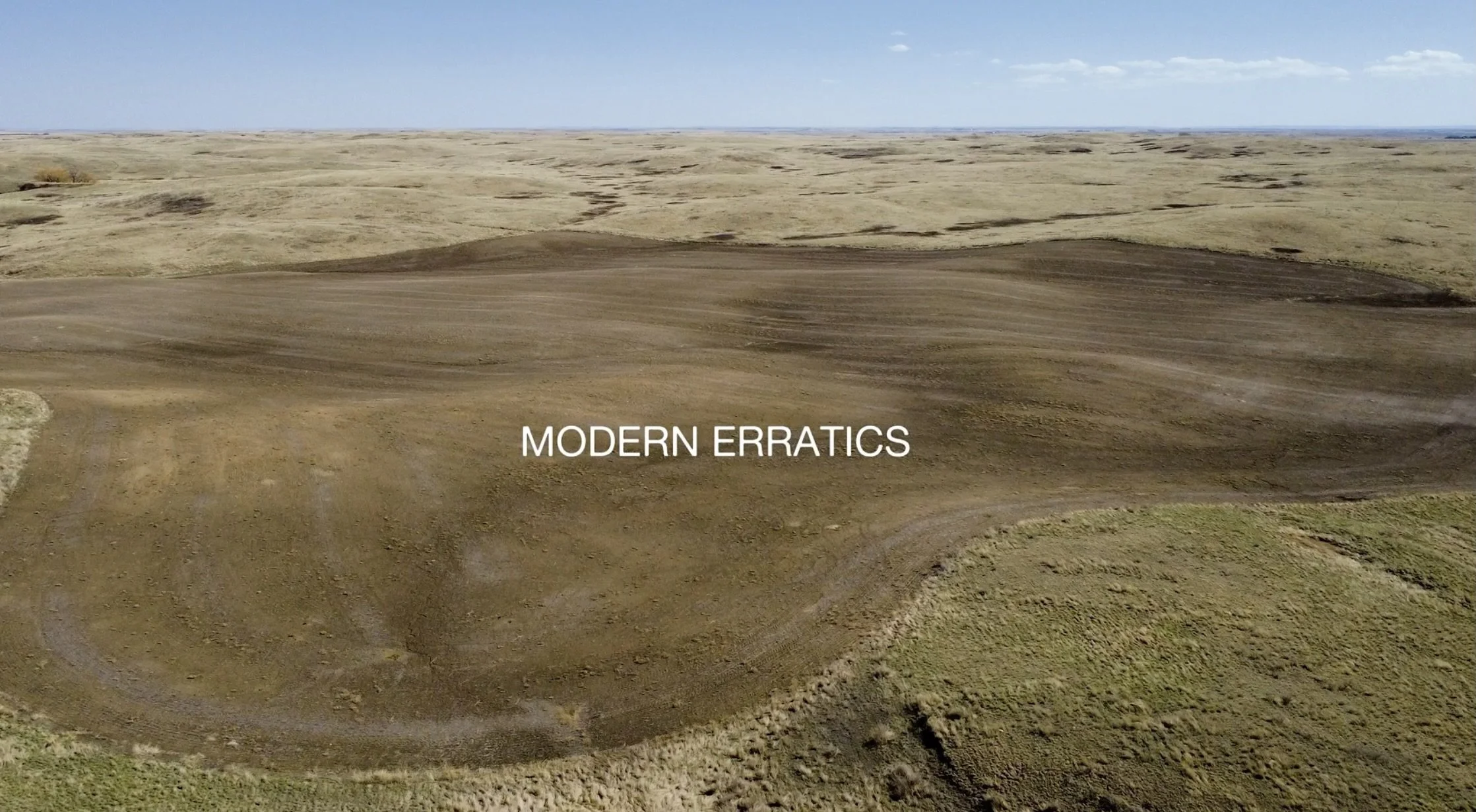
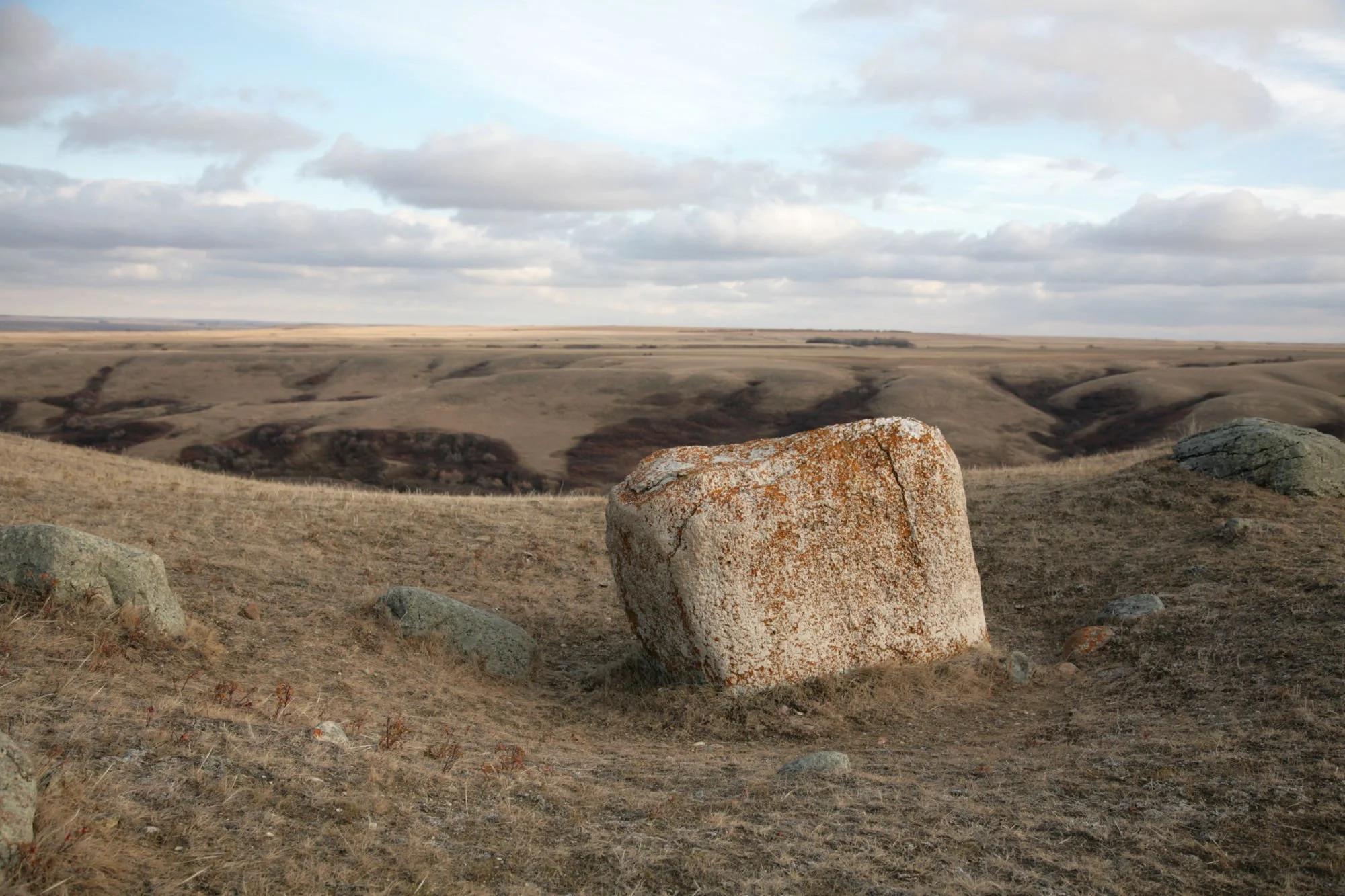
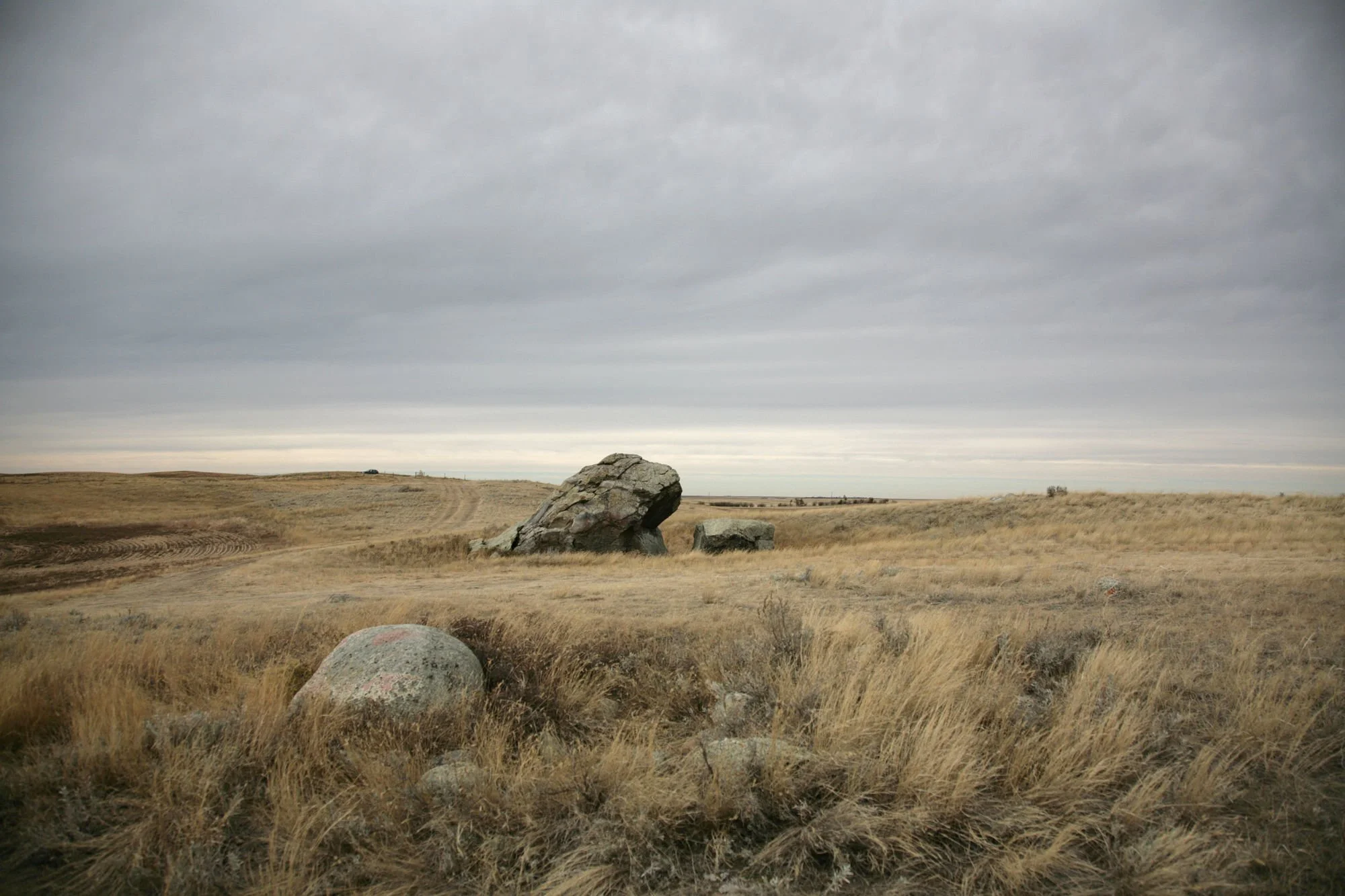
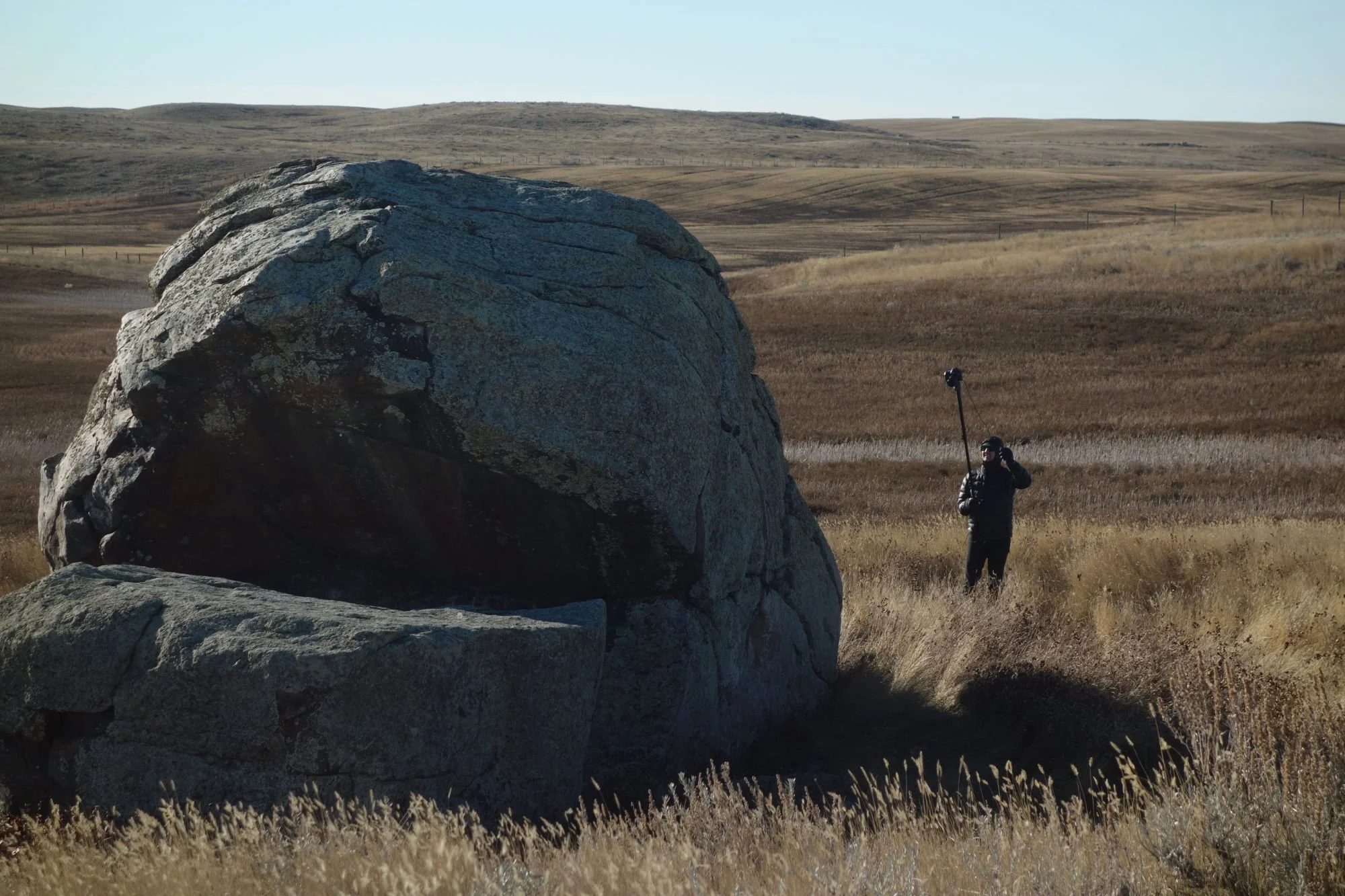
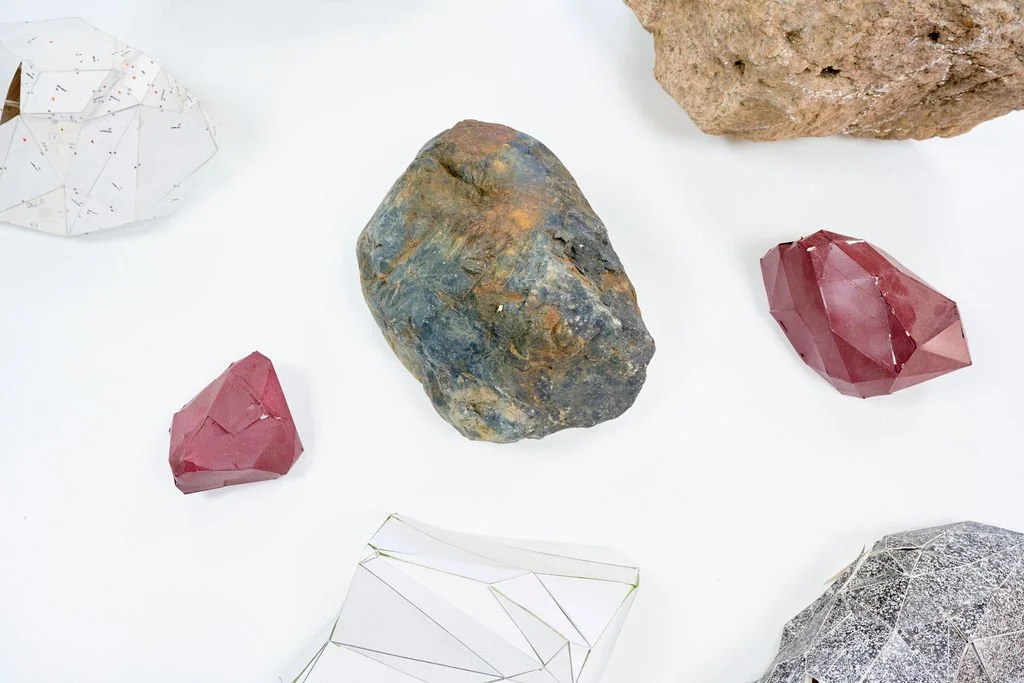
For over two million years massive ice sheets covered much of the landmass of North America, carving and shaping the Prairie landscape. As they receded over thousands of years, the ice sheet deposited enormous rocks across Saskatchewan. In contemporary geological terms, these rocks are termed "erratic" because they were transported hundreds or thousands of kilometres from their original bedrock and are mineralogically different from the place that now surrounds them.
For thousands of years bisons scratched their summer hides on the sides of these boulders, polishing the edges as smooth as marble.
The Indigenous Peoples of Turtle Island have looked upon these rocks with reverence, as places of gathering and cultural and profound spiritual significance. More than geological anomalies, these rocks are often referred to as "Grandfather rocks", they are living beings that connect people to the land, history, and the Creator.
As settlers arrived in the Prairies, these boulders were markers in this vast landscape and often became obstacles in its cultivation. People intuitively gravitate towards erratics as destinations on a horizon, for what they signify, for their otherness. They speak of time and stillness, of enormous environmental forces difficult to contemplate.
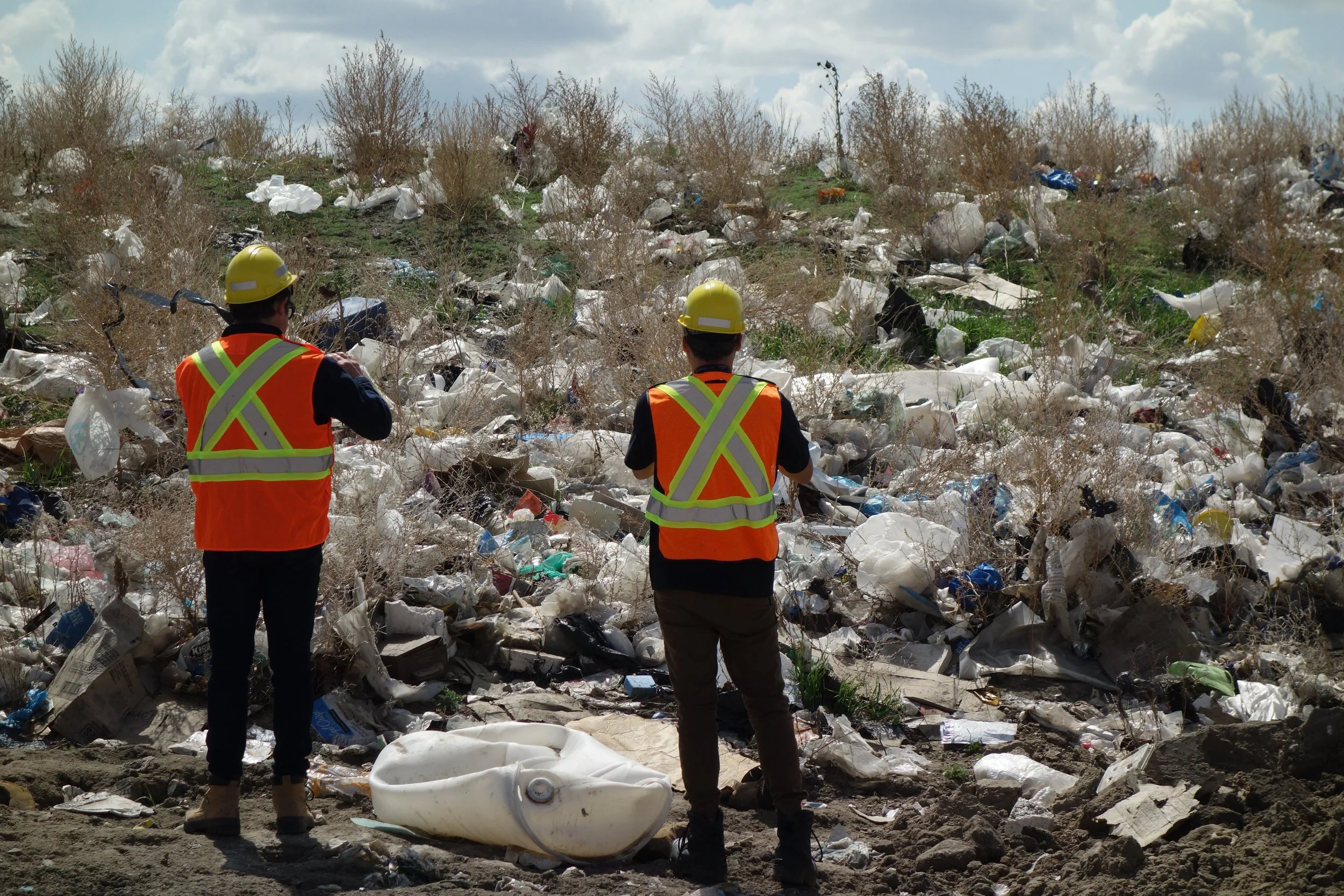
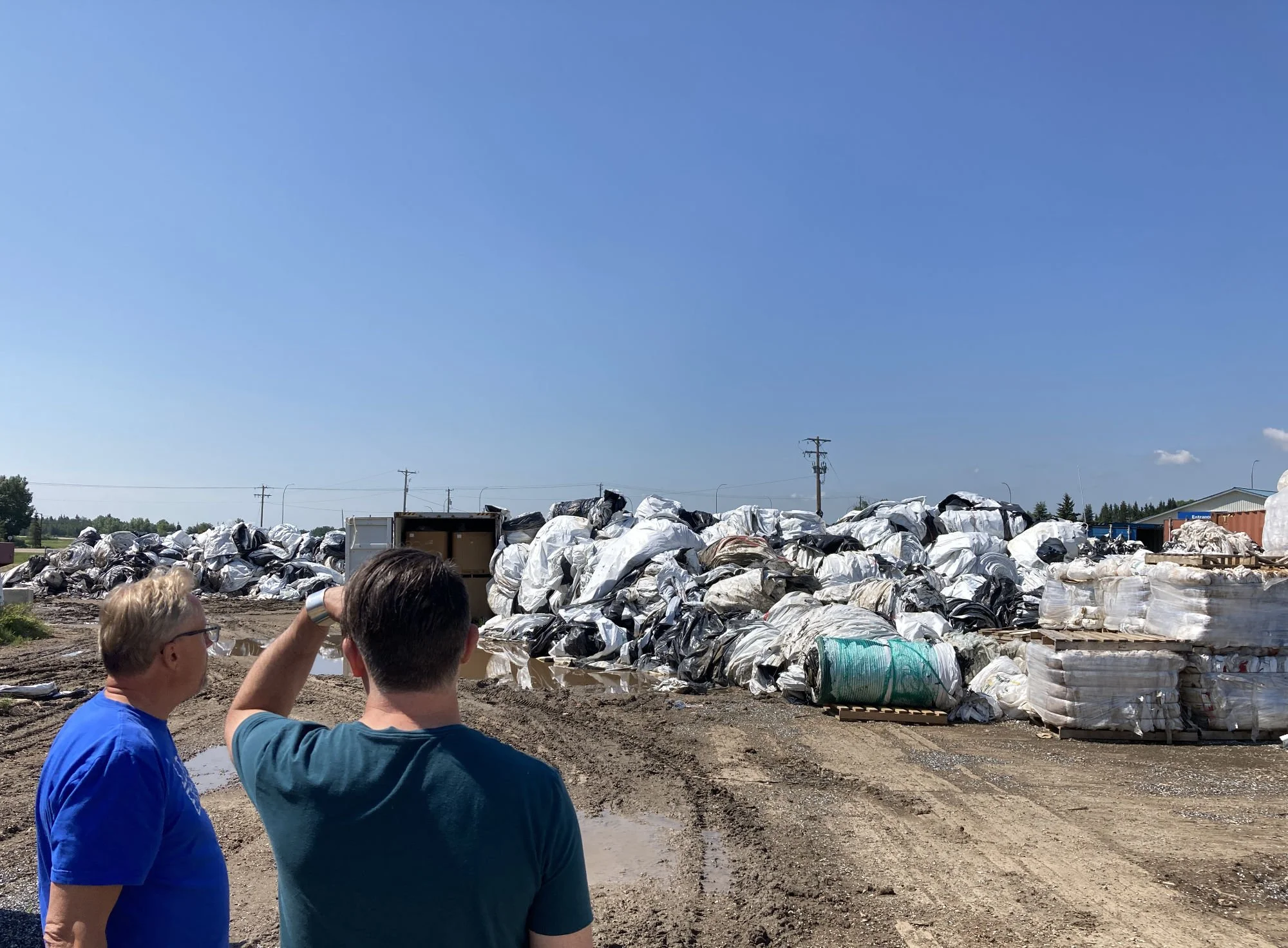
Plastics made from fossil fuels are just over a century old, yet half of the plastic ever manufactured has been made in the past 15 years. In Canada, despite best efforts, 87 percent of plastic waste ends up in landfills or the environment. Once there, plastic does not disappear, with estimates ranging to at least 400 years for it to break down.
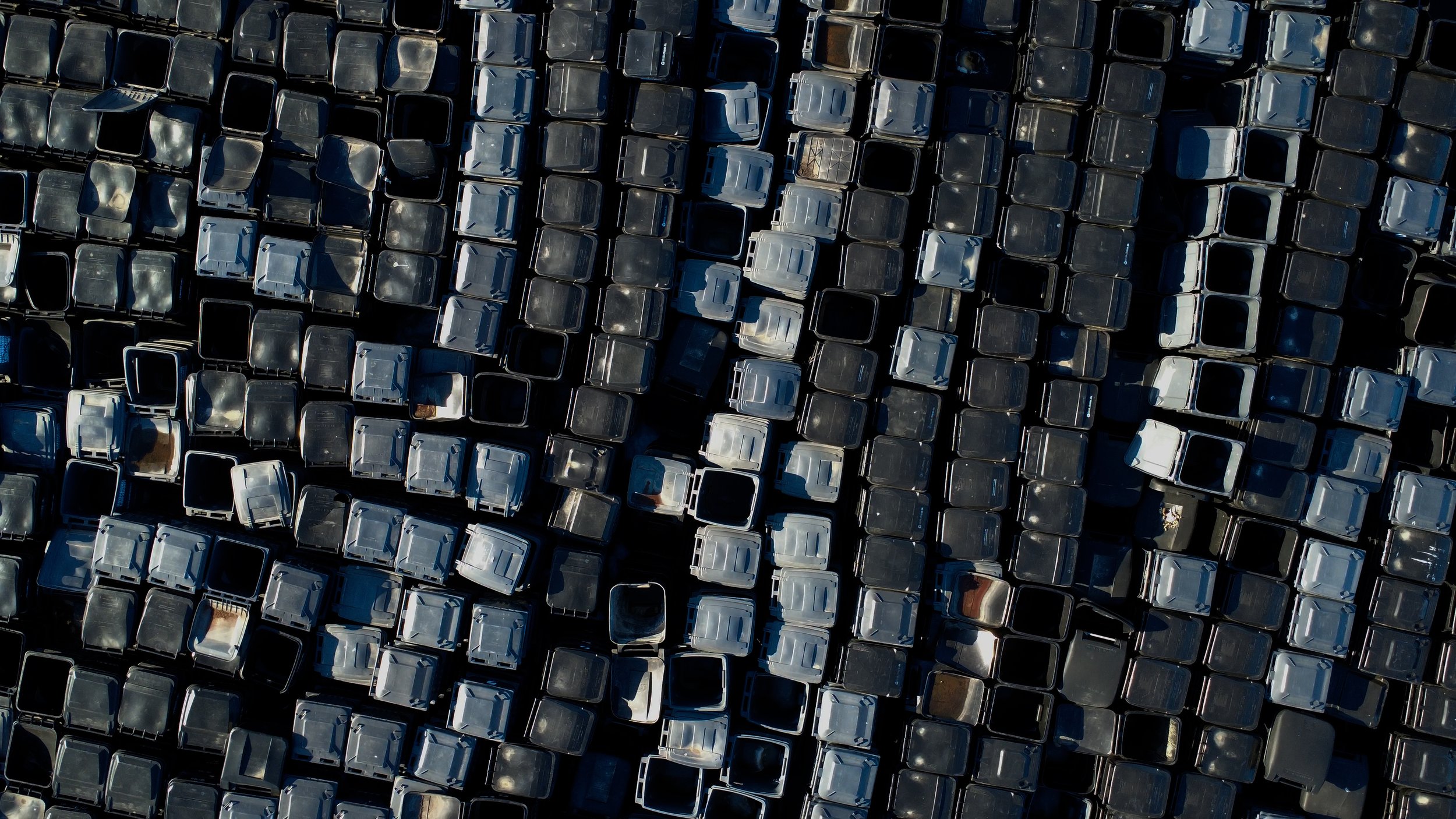
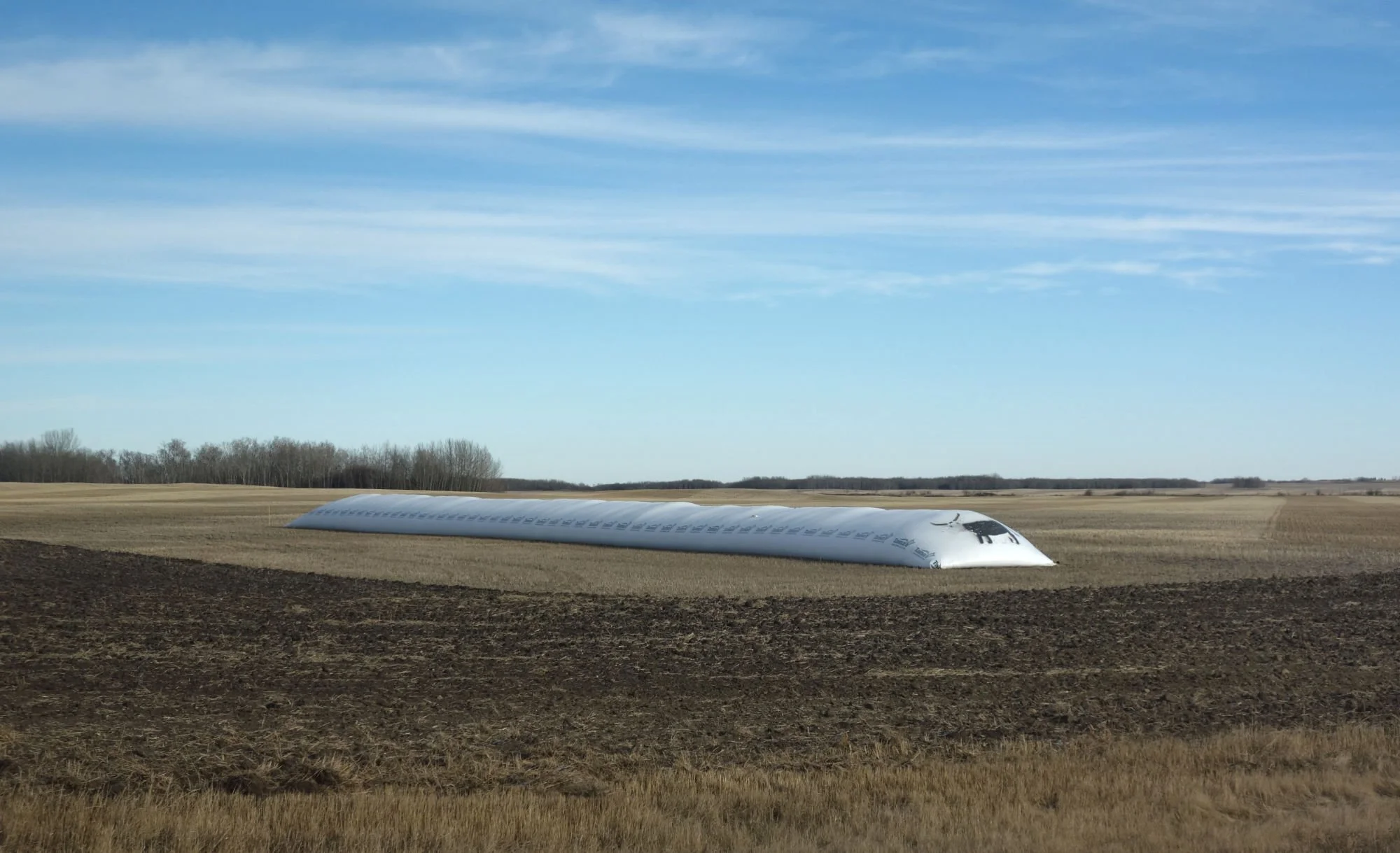
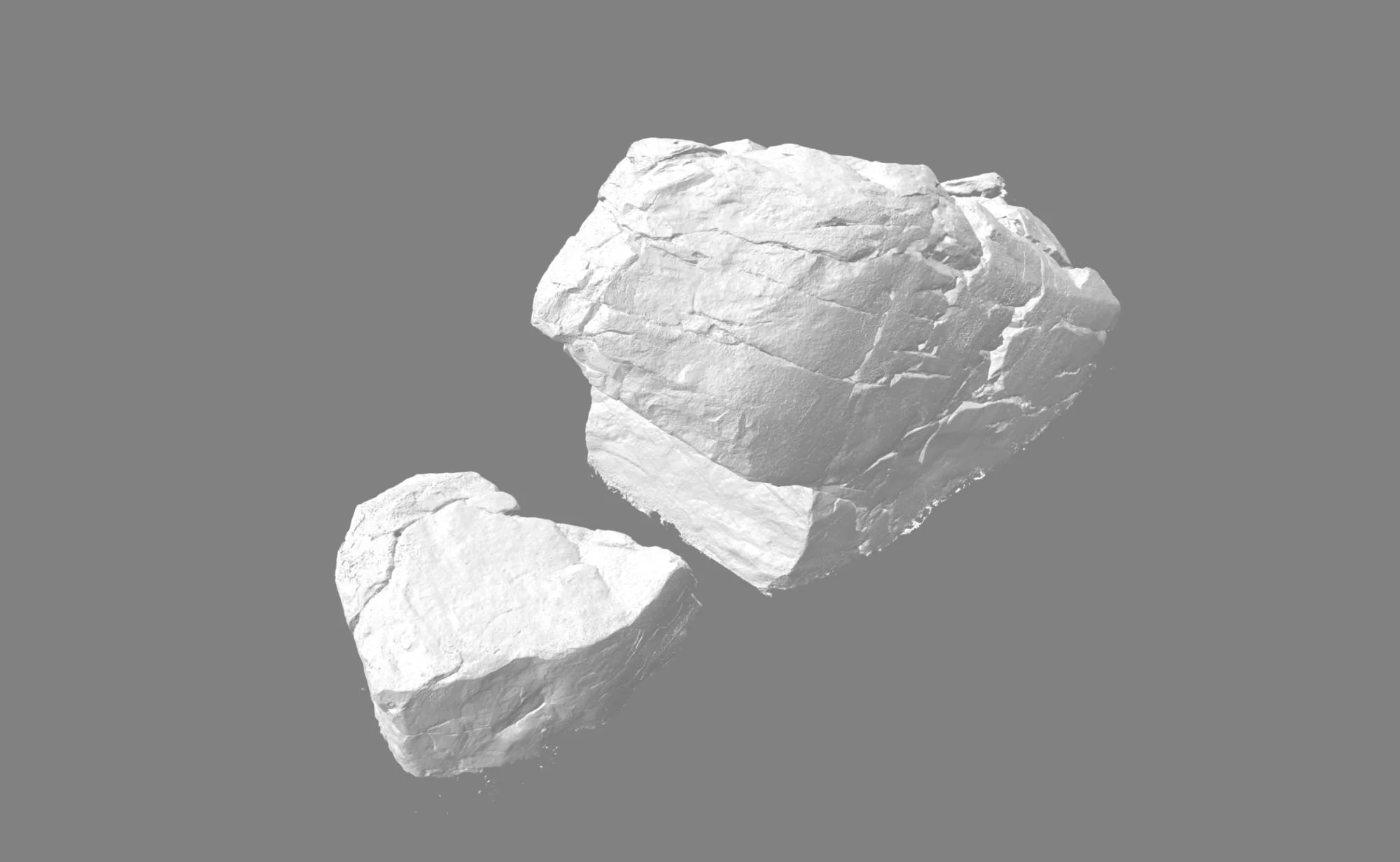
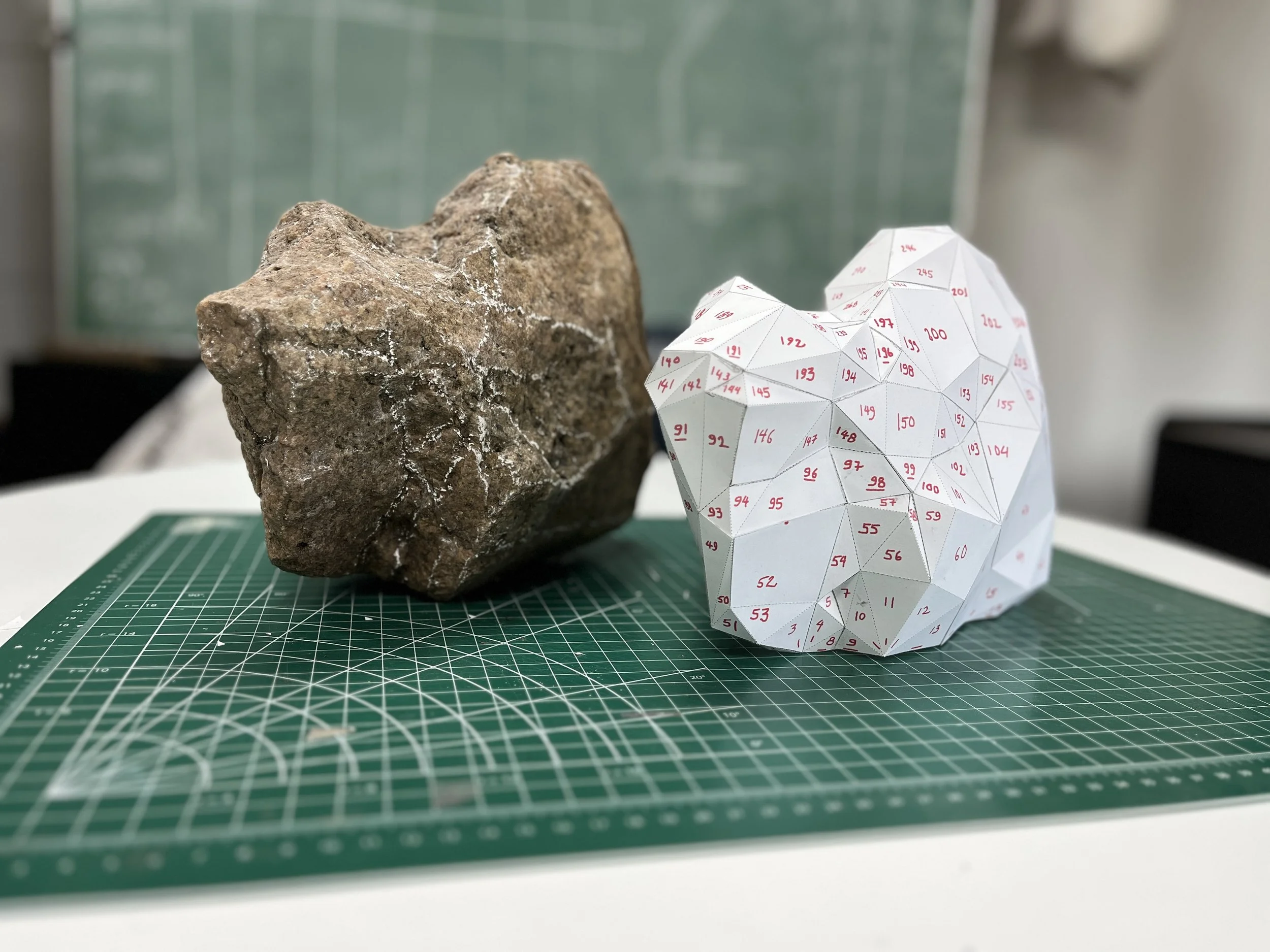
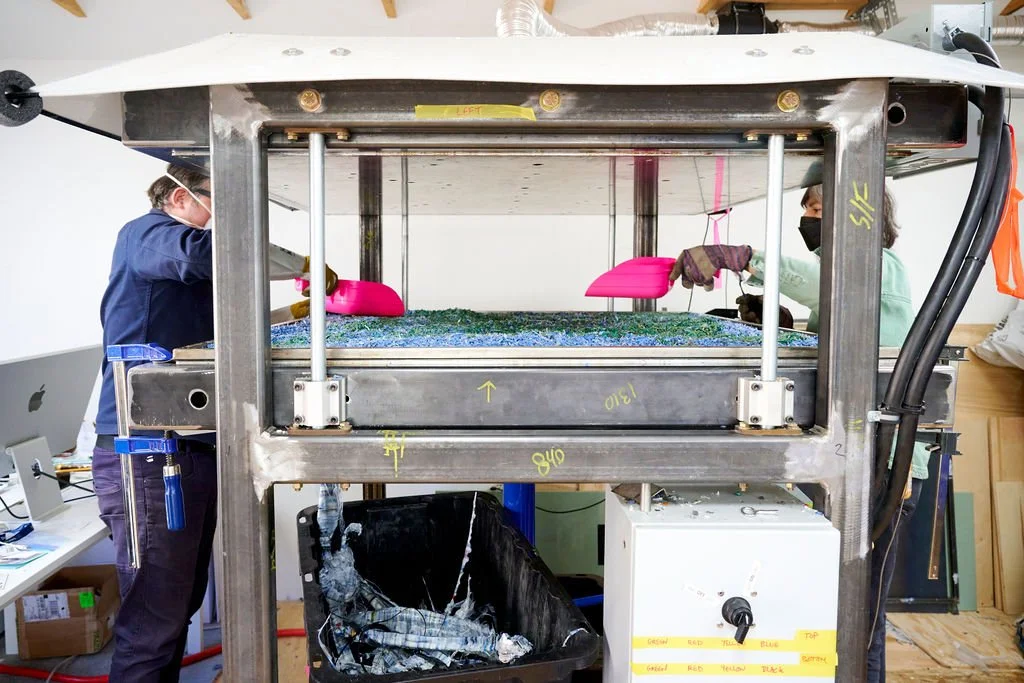
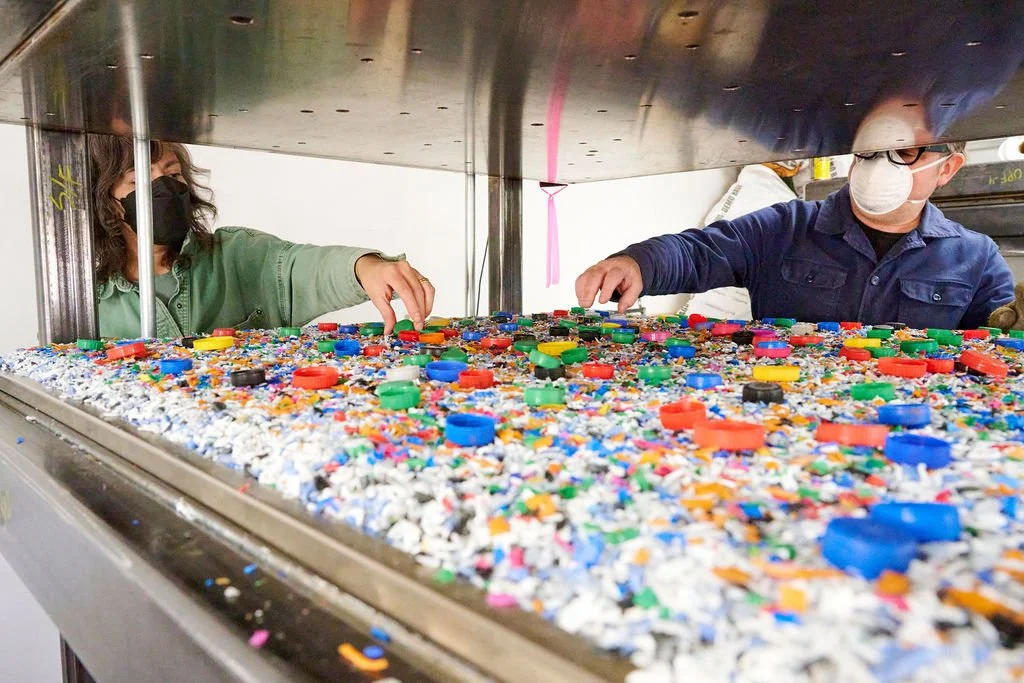
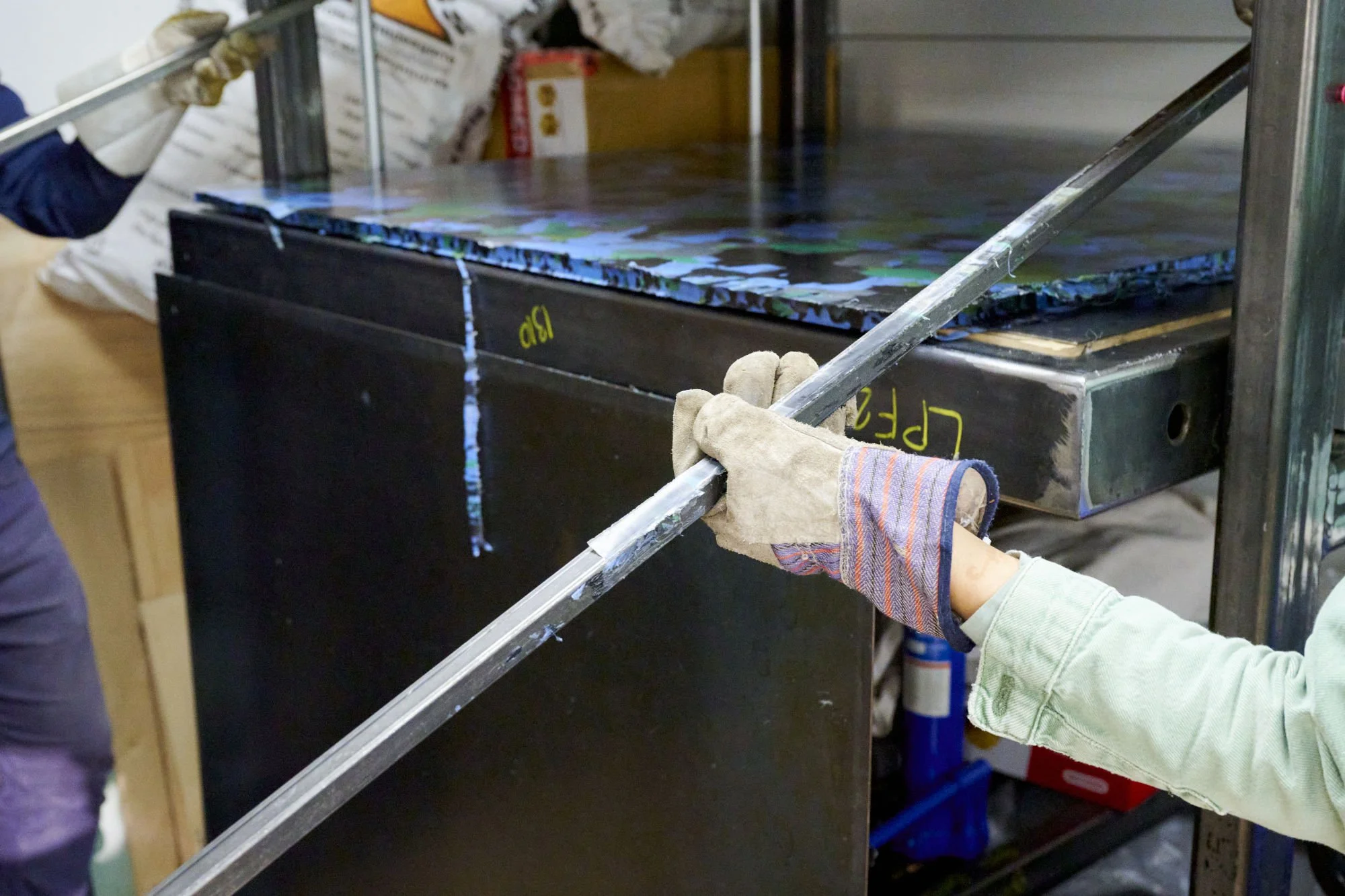
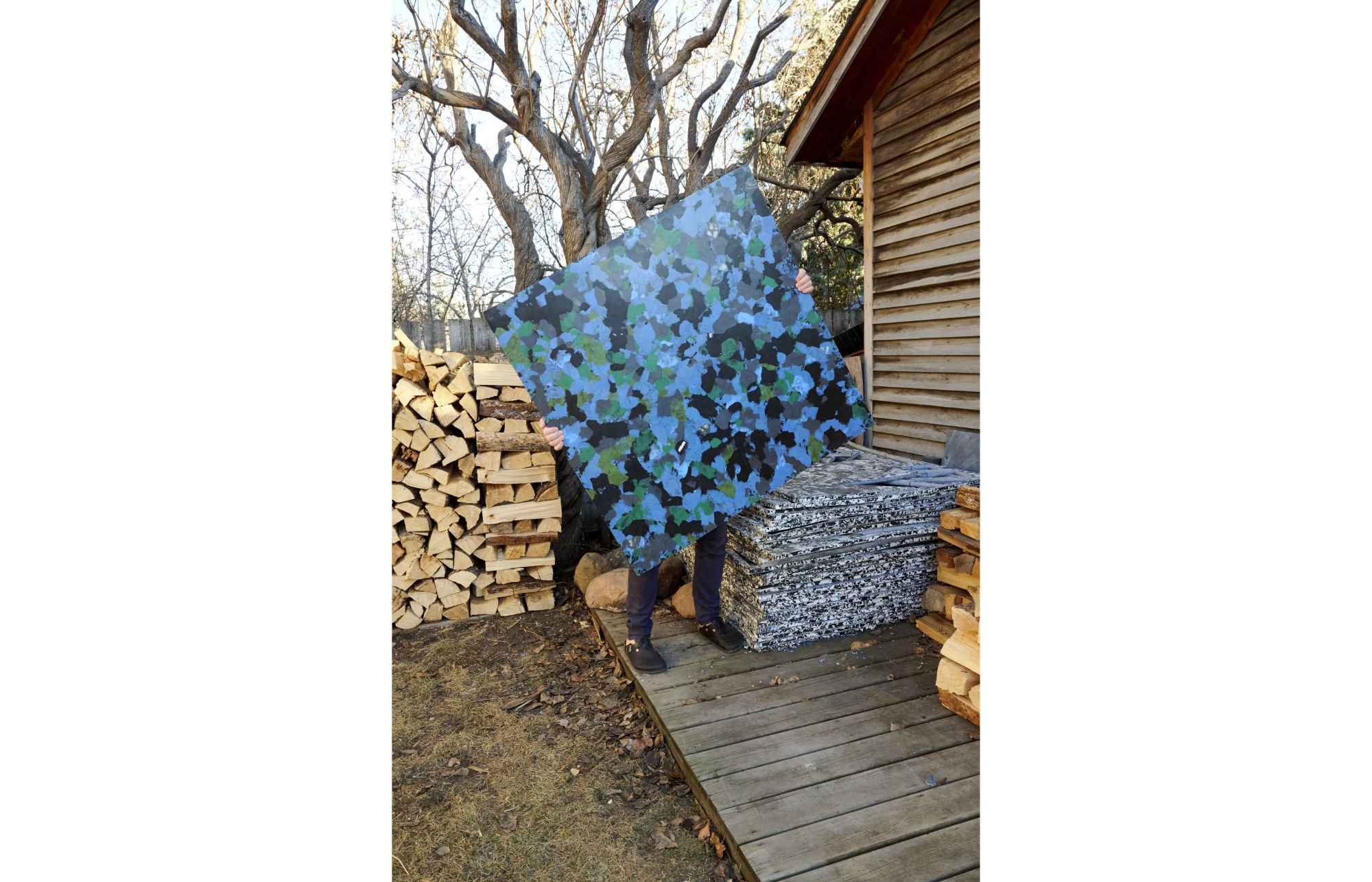
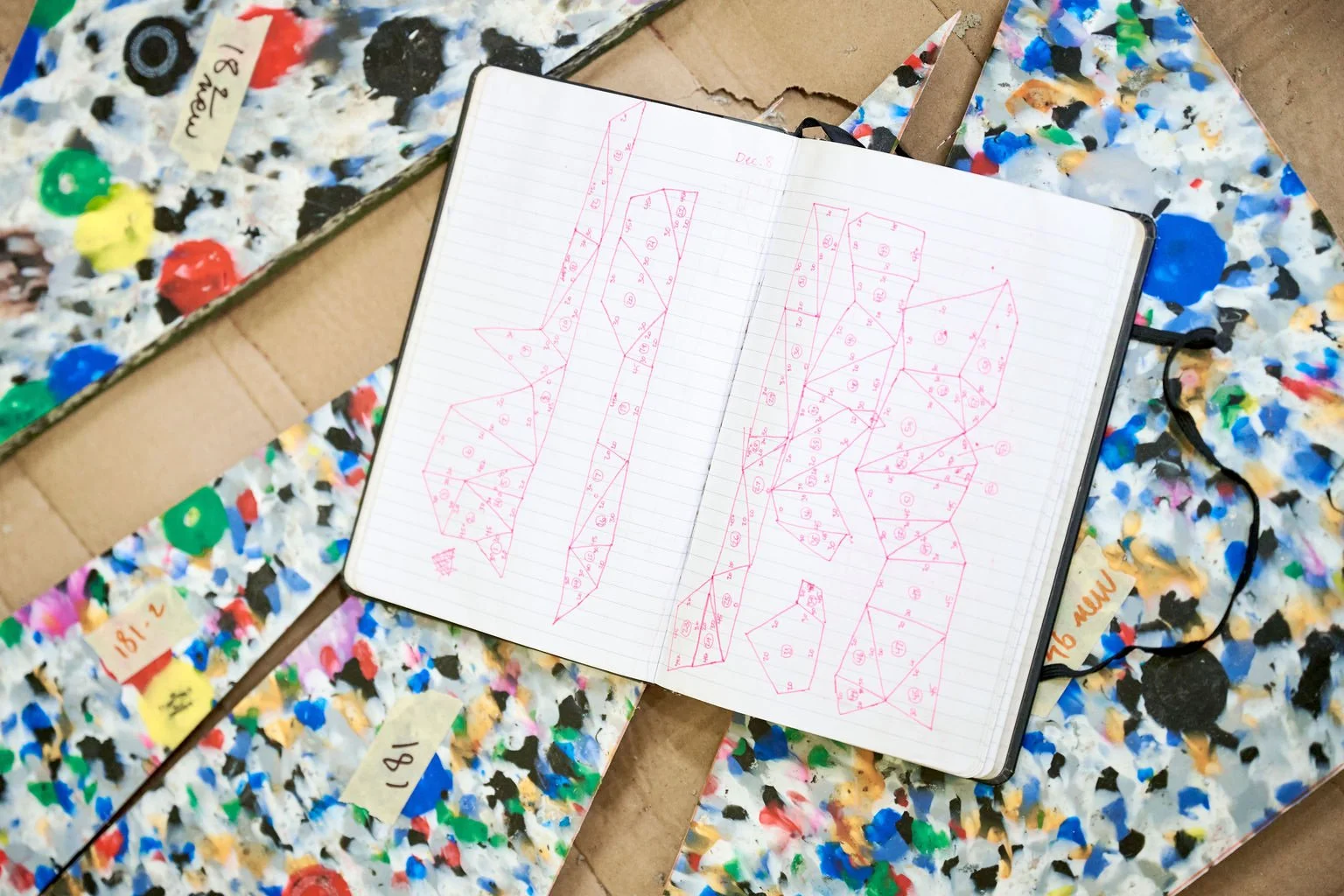
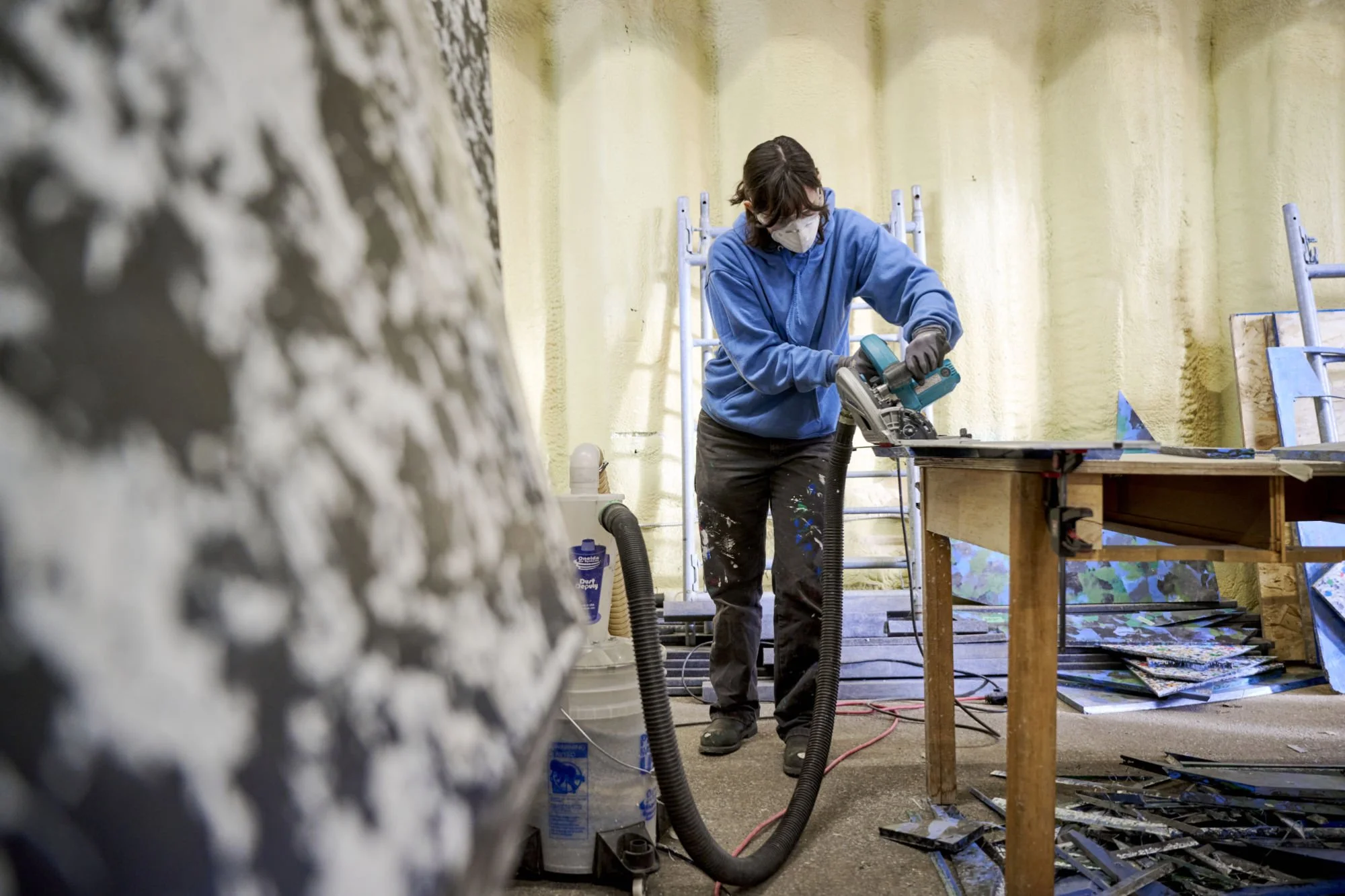
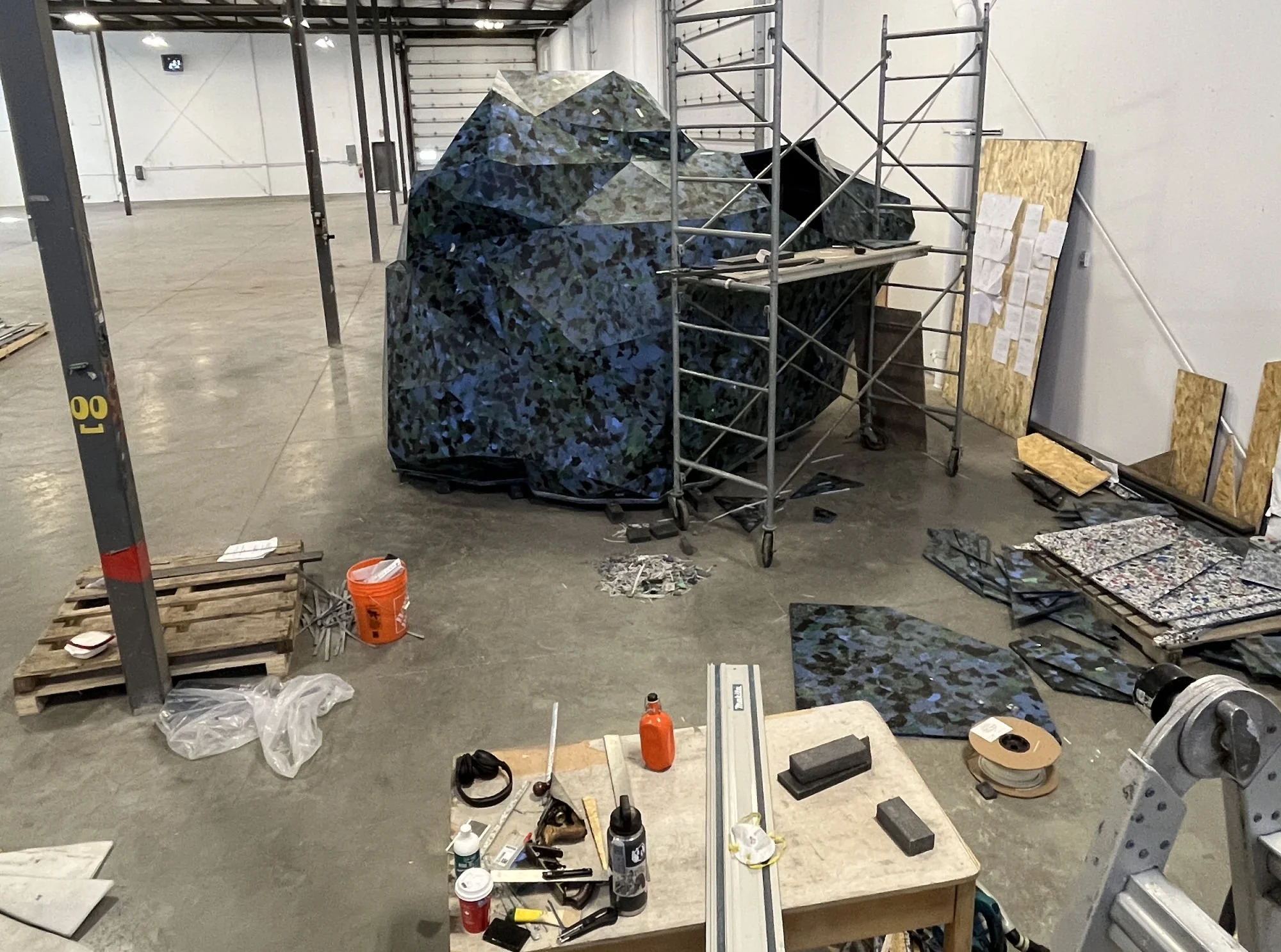
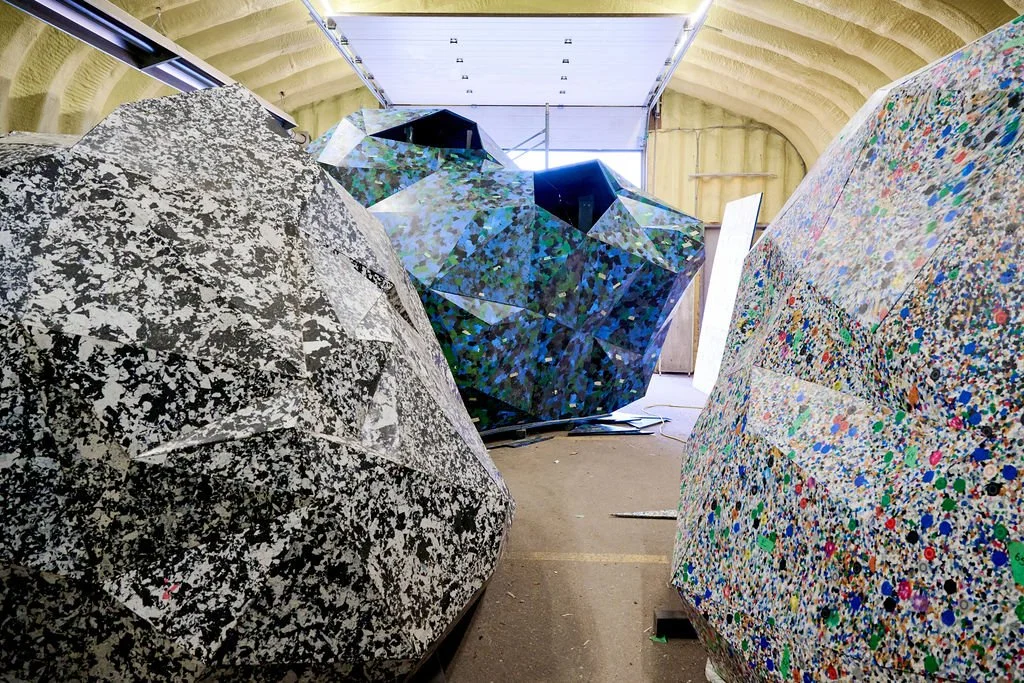
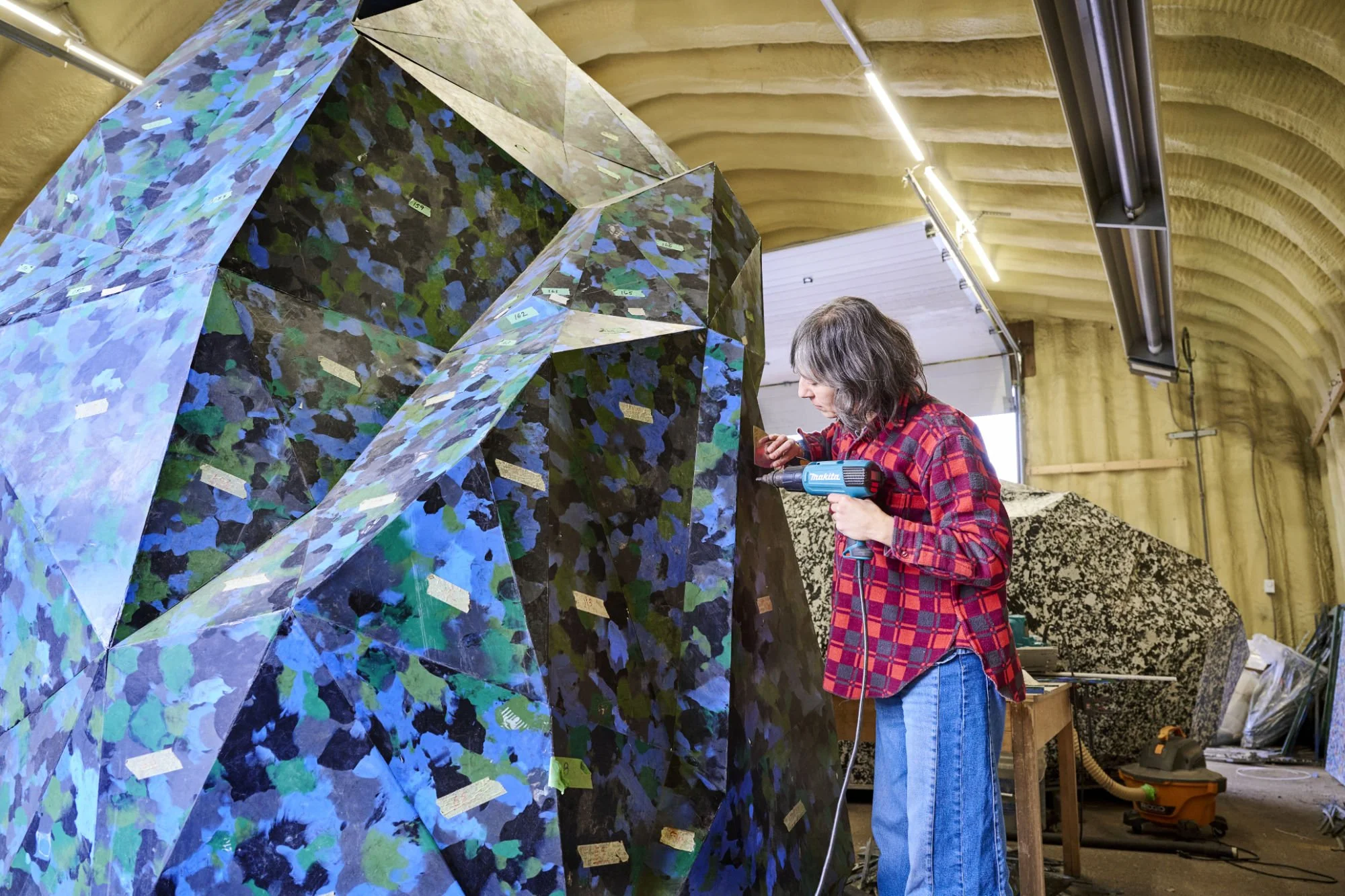
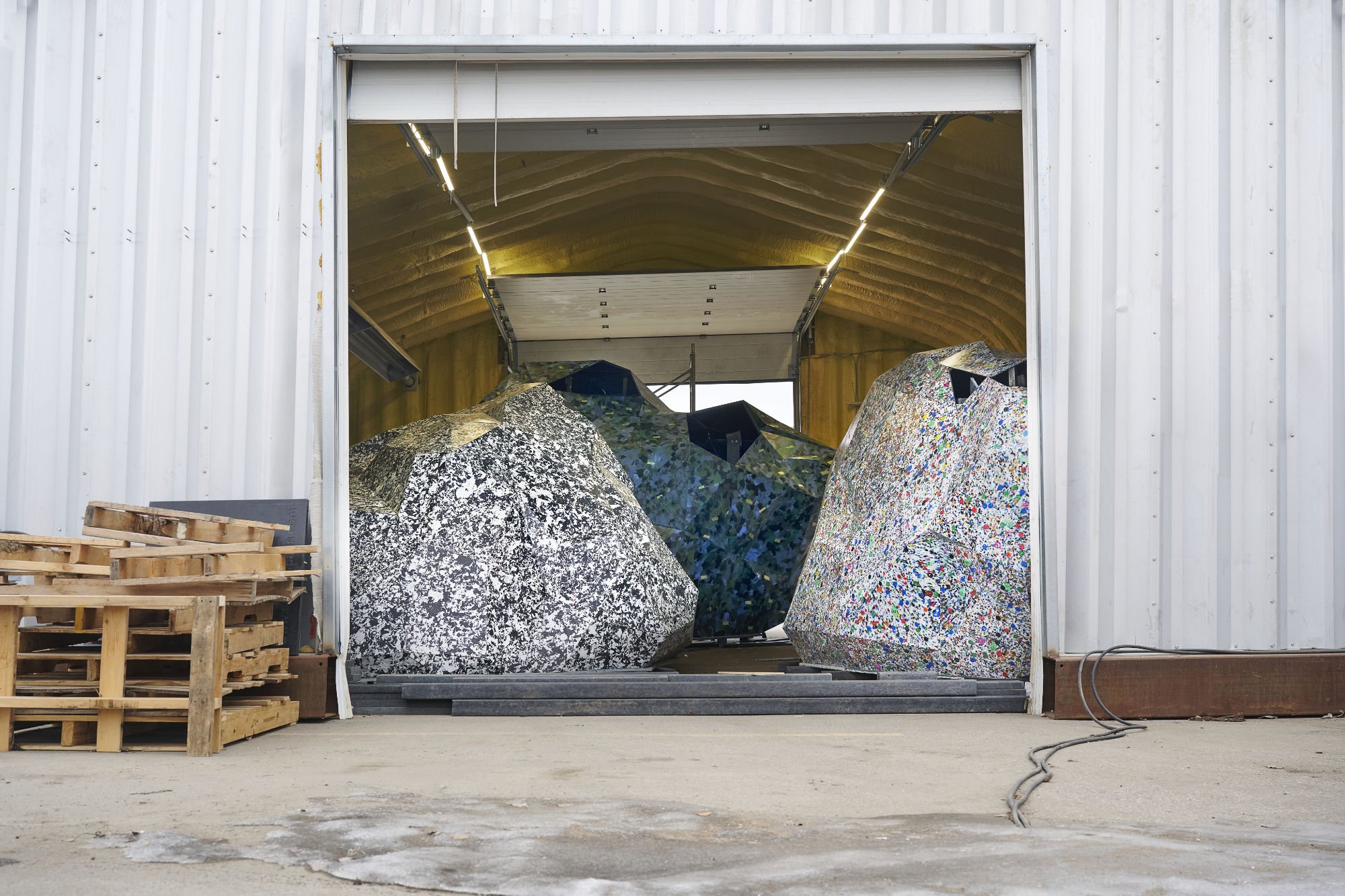
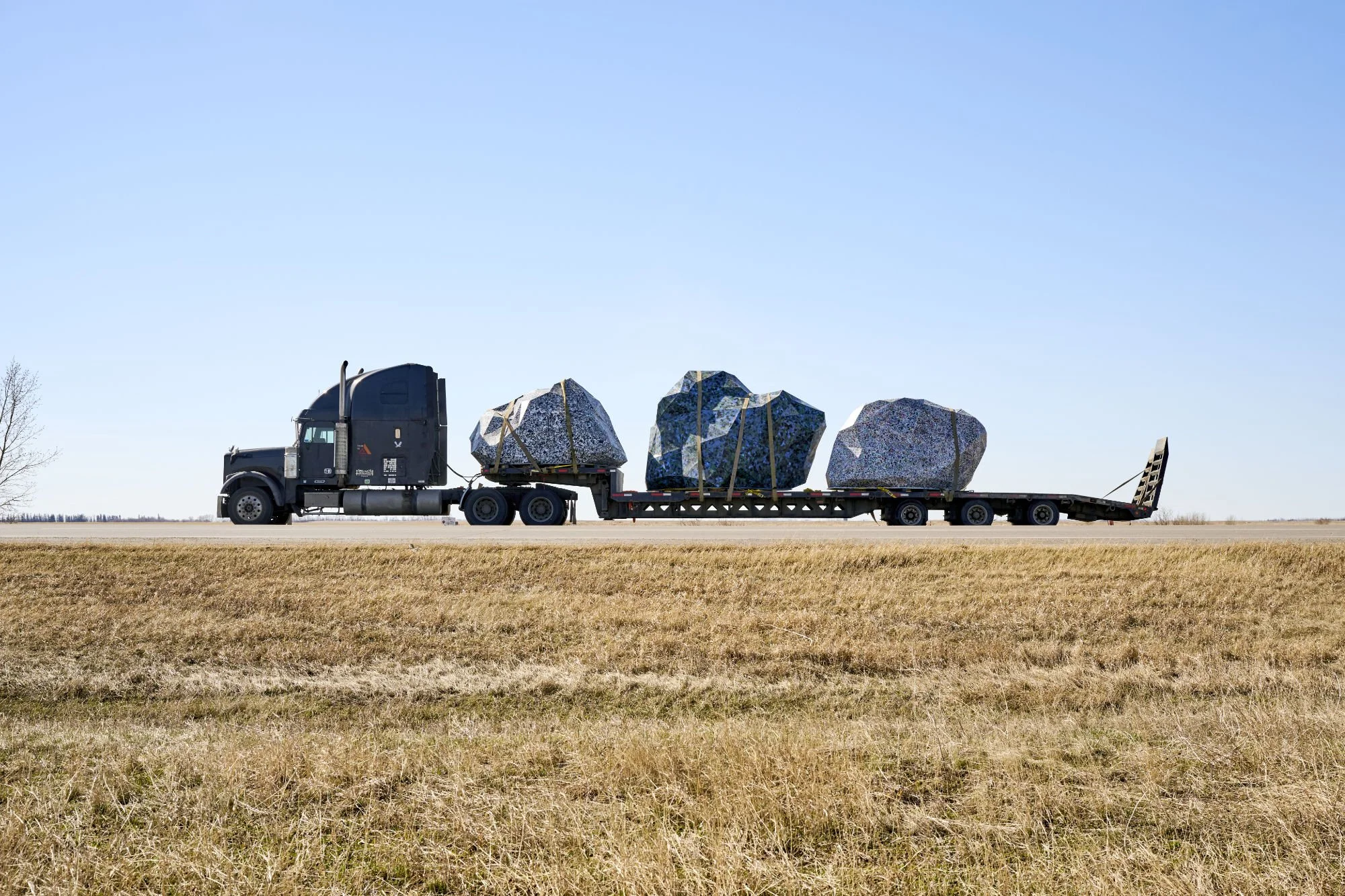
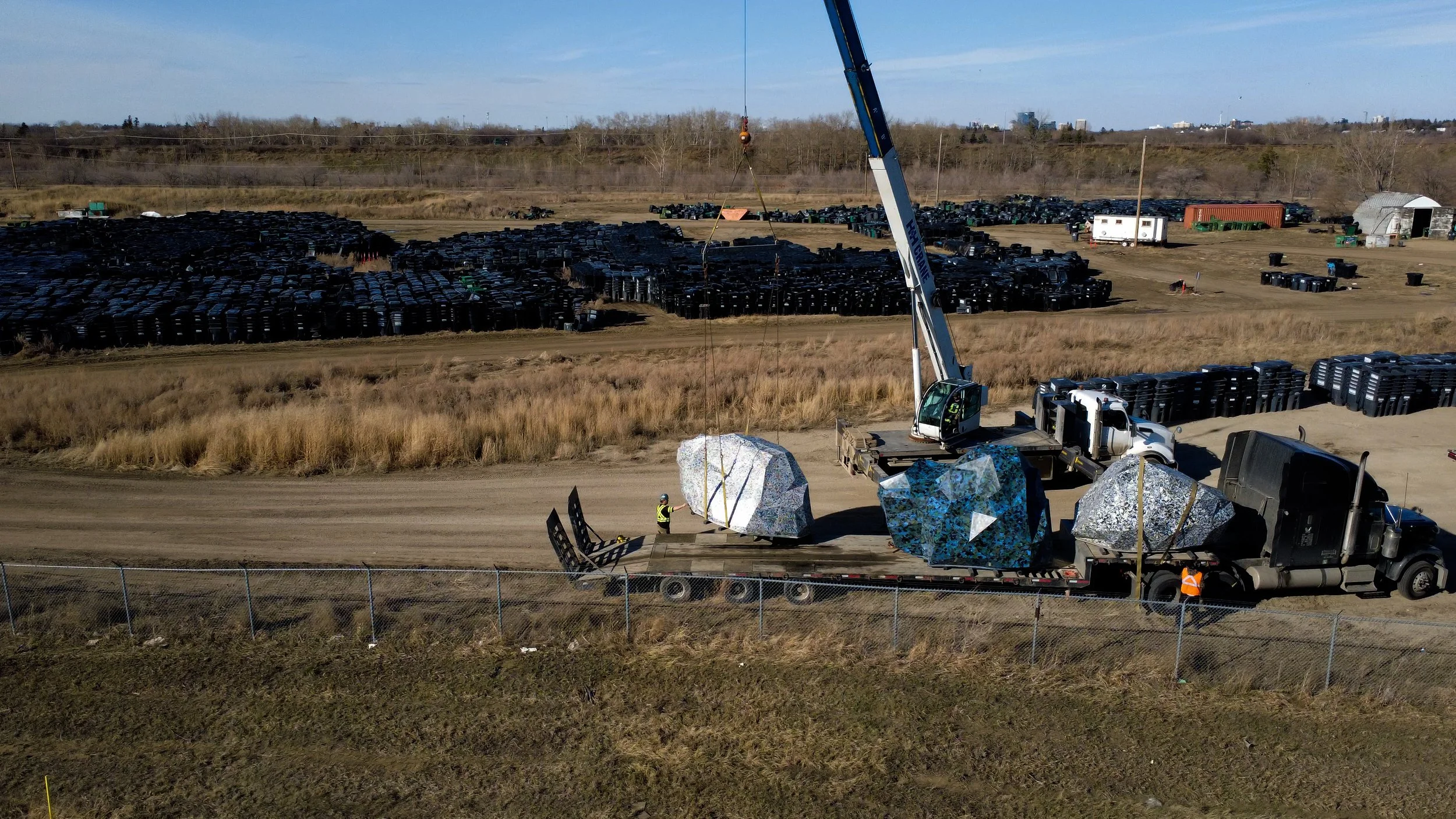
Devised for the Material Recovery Centre and created for three sites across Saskatoon, Modern Erratics is a recreation of erratic rocks crafted from post-consumer plastics recovered from prairie region waste. Based on 3D scans of existing Saskatchewan erratics, these modern erratics are geometric versions of the originals, each one built from different plastic waste sources related to their site: grain bags, bottles tops, and broken refuse bins. Three years in the making, these mineralogically odd "rocks" in Saskatoon’s landscape invite questions about the character and history of our environment, the disposability and value of materials, recycling policies and processes, and the forces that shape how we choose to live as a society.
Essay by Michelle Jacques: Sans façon's Modern Erratics: Public Art and Civic Conversation
Constructed in collaboration with: Lauren Jacobson, Marina Hardie, May Jones, Doha Lindskoog (The fabulous fabrication team)
Engineer, Tara Reichert, P.Eng. Levity Engineering & Consulting
Associate artist, Quinn Franks
Research collaborator, Steve Guyrsh, artist
Installation: Jesse Mandtler, Dirt Pro Excavating Ltd.
Machines based on Precious Plastic’s designs
Special thanks to Brothers Fab and Knight Signs for their kind and generous support.